Machines used in agriculture, municipal services, construction, and industry often operate regardless of weather conditions. Rain, snow, mud, low temperatures, and significant daily temperature fluctuations can affect the performance of control systems and motor protection components.
For this reason, it is worth carrying out a thorough inspection of electrical systems before the autumn and winter season begins. Regular maintenance of a Control Box helps reduce the risk of unplanned downtime, improves operator safety, and extends equipment service life.
HOW TO PREPARE A CONTROL BOX FOR AUTUMN AND WINTER OPERATION: 7 THINGS TO CHECK BEFORE THE SEASON STARTS
Autumn and winter put outdoor equipment to the test
Machines used in agriculture, municipal services, construction, and industry often operate regardless of weather conditions. Rain, snow, mud, low temperatures, and significant daily temperature fluctuations can affect the performance of control systems and motor protection components.
For this reason, it is worth carrying out a thorough inspection of electrical systems before the autumn and winter season begins. Regular maintenance of a Control Box helps reduce the risk of unplanned downtime, improves operator safety, and extends equipment service life.
Why is the condition of a control box so important?
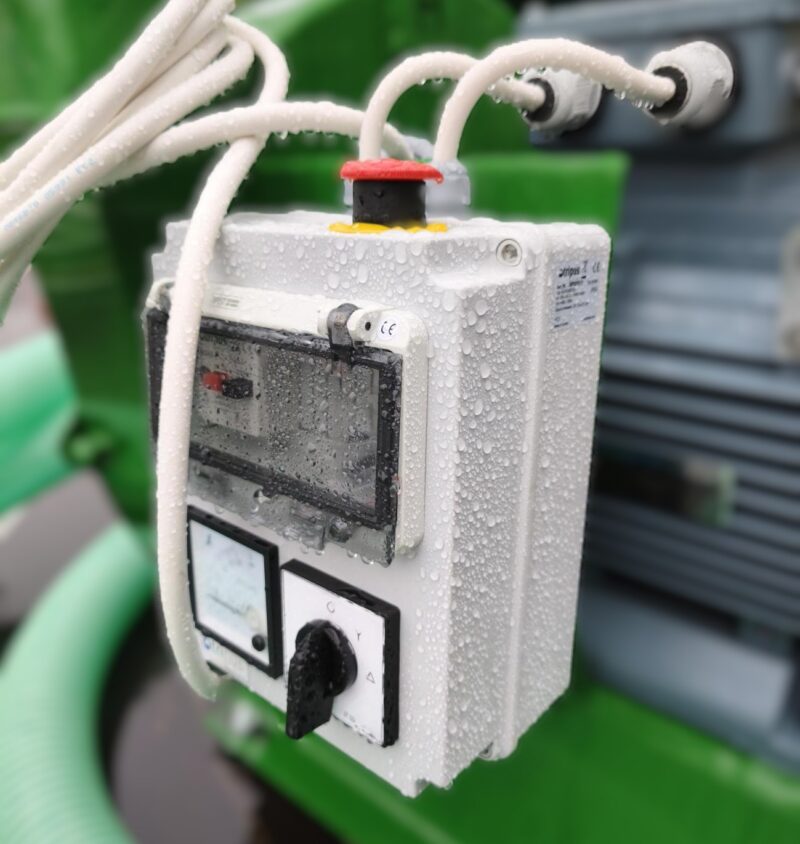
A Control Box does much more than simply start and stop a motor. It contains the components responsible for controlling, monitoring, and protecting the entire motor control system.
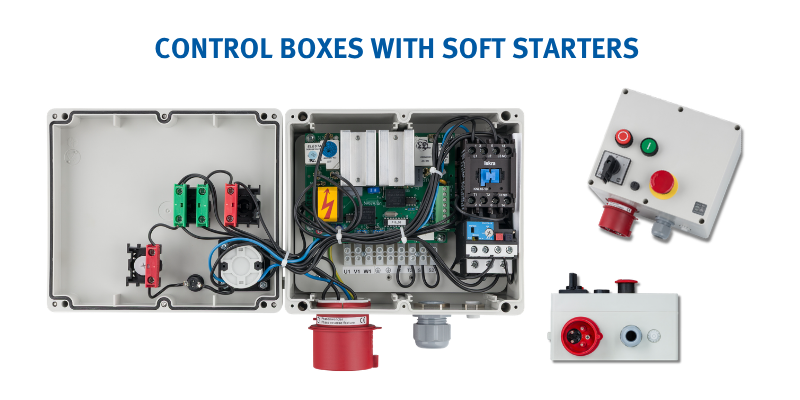
Depending on application requirements, users may choose standard Control Boxes, solutions equipped with a frequency inverter for precise speed control, or systems featuring Soft Starter Controls designed to reduce starting currents and minimise electrical and mechanical stress during motor start-up.
Particularly for equipment operating outdoors, it is essential to use solutions designed for demanding environmental conditions and to inspect them regularly.
1. Inspect the enclosure
The first step should be a detailed visual inspection of the enclosure. During operation, Control Boxes are exposed to:
- Vibrations generated by machinery
- Water, moisture, and contamination
Even minor cracks or deformations can gradually compromise the enclosure’s integrity and negatively affect the electrical equipment installed inside. Particular attention should be paid to hinges, locking mechanisms, and cable entry points.
2. Verify sealing integrity and IP protection rating
The IP rating indicates the level of protection against the ingress of solid objects and water. In practice, however, the protection level specified by the manufacturer can only be maintained if all enclosure components remain in good condition.
During inspection, check:
- Any signs of mechanical damage
Regular inspection of these components helps maintain the required level of protection throughout the season.
3. Assess the condition of power cables
Autumn maintenance is an excellent opportunity to inspect cables and electrical connections. Pay particular attention to:
- Insulation wear
- Cracks
- Signs of insulation deterioration
- Loose electrical connections
Damaged cables may not cause immediate problems, but the risk of failure can increase significantly as temperatures drop during winter.
4. Check the emergency stop switch
The Emergency Stop Switch is one of the most important safety components within the system. Before the season begins, make sure that:
- Safety markings remain clearly visible
- The operating mechanism functions correctly
- The machine can be properly restarted after emergency stop activation
Regular testing of these functions should form part of every periodic maintenance inspection.
Practical solutions for reliable operation
The selected control solution should always match the operating characteristics of the machine.
For standard applications, ready-to-use Control Boxes are commonly used to operate pumps, fans, conveyors, and mixers.
If the application requires precise speed control, Control Boxes equipped with a frequency inverter offer an effective solution. They allow motor performance to be adapted to process requirements while improving energy efficiency.
For larger drive units, Control Boxes equipped with Soft Starter Controls can help reduce both mechanical and electrical stress during motor start-up.
5. Inspect mounting components
During autumn and winter, equipment is frequently exposed to vibration and harsh environmental conditions. Therefore, it is advisable to inspect:
Secure mounting minimizes the risk of mechanical damage and contributes to safer operation.
6. Do not overlook agricultural equipment
Agricultural environments are particularly demanding because equipment is continuously exposed to dust, moisture, and intensive seasonal use. Examples include:
In such applications, Motor Protection Switches and other switching devices designed for agricultural applications are widely used due to their ability to withstand demanding operating conditions.
7. Create a simple winter inspection checklist
One of the easiest ways to reduce the likelihood of equipment failure is to carry out routine inspections of key system components. A seasonal checklist may include:
- ✅ Cable gland sealing integrity
- ✅ Emergency Stop Switch functionality
- ✅ Control Box mounting condition
- ✅ Legibility of safety markings
- ✅ Cleanliness of control components
These checks require little time but can significantly reduce the risk of unexpected downtime.
Summary
Preparing electrical equipment for autumn and winter operation does not require complex maintenance procedures. In most cases, regular inspection of key control system components and prompt action when the first signs of wear appear are sufficient to ensure reliable operation.
Whether the application involves pumps, fans, feed mixers, conveyors, or other outdoor motor-driven systems, a properly selected and well-maintained Control Box remains one of the key factors influencing the safety, reliability, and long-term performance of the entire installation.
Contact form
In case any technical questions our Technical Department remain for Your disposal
Last posts on the blog
Many engineers, machine builders (OEMs), and maintenance teams live under the assumption that simply installing an overcurrent switch fully protects an electric motor from failure. However, industrial reality can be harsh – a sudden odor of burnt insulation, tripped fuses, and an unplanned production line shutdown. The cost of replacing the motor itself is often […]
Choosing the right motor control and protection system depends on the specific application, technical requirements, and budget. On our blog, we have already covered the correct selection of protection devices for classic Star-Delta (Y-Δ) starting, as well as advanced solutions using Variable Frequency Drives (VFDs). Today, we are expanding our portfolio with another option that […]